
Shabti News
NEW UPDATE
This September, we are adding 5 new shabtis:
- Paiuenhor
- Wau
- Horemheb
- Hor
- Ramesside anepigraphic
The first comes from the National Archaeological Museum in Madrid, and the remaining four belong to private collections.
(September 11, 2026)
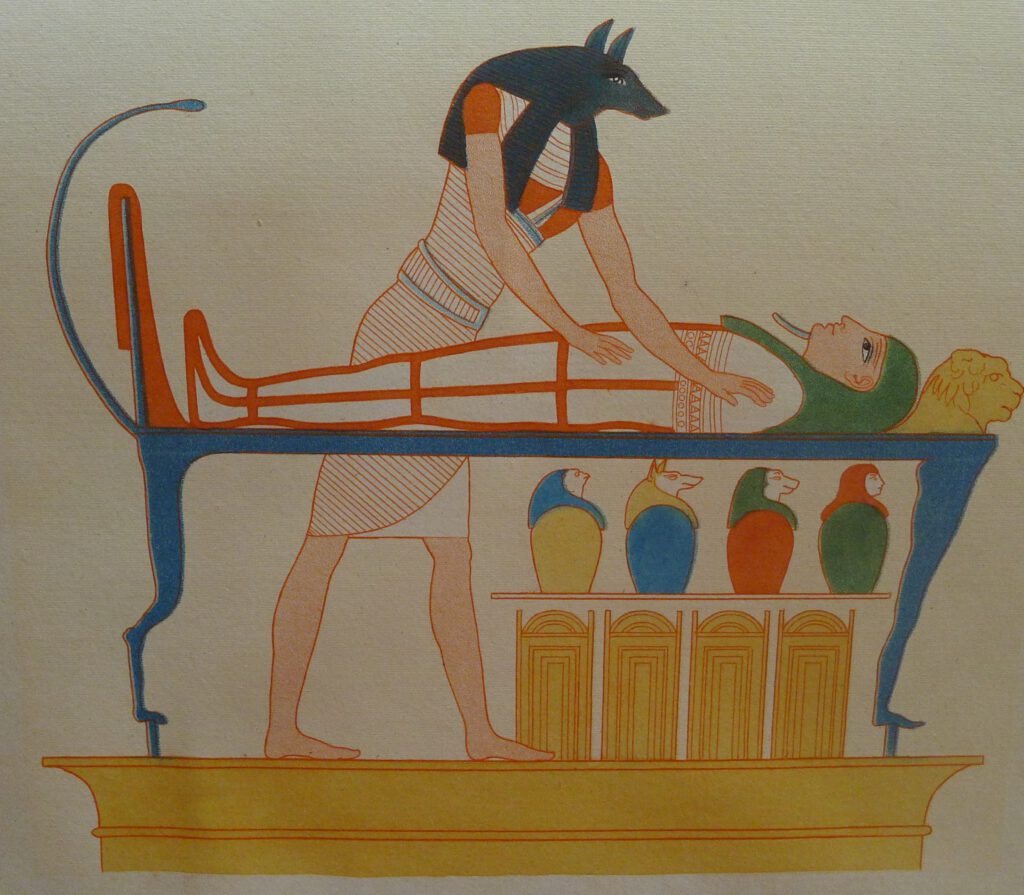
Introduction to shabtirology.com
This website focuses on the monographic study of shabtis—not from a general perspective, but exclusively based on previously unpublished pieces. All of them belong to private collections and museums, and their geographical scope is initially limited to Spain. These are pieces that are not usually accessible to the public: shabtis unknown to most people.
The primary objective is to make previously unpublished material available to anyone interested in or studying the discipline. Figuratively speaking, the aim is to offer these statuettes the chance to emerge from obscurity and gain public recognition through a platform open to any author wishing to share and showcase their collection, thereby contributing to the progressive enrichment of the field of study.
Shabtis are the subject of this page and are presented as individual units of analysis; consequently, general aspects concerning them are not addressed here. For an overview, we invite you to consult the “Sources” section, which contains general resources and websites of interest.
Each piece is documented via a technical data sheet that includes its key details: designation, chronology, dimensions, provenance, typology, bibliography, formal and epigraphic description, and associated texts. This information is complemented by a brief contextualization within its historical and typological framework.
The complete data sheets can be requested in PDF format. The only requirement is to cite the corresponding source.
Shabtirology
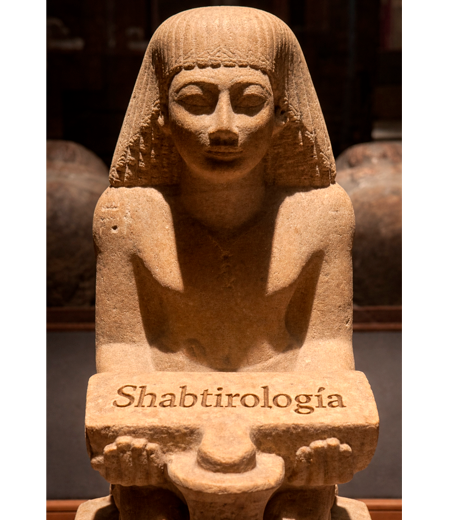
Today, the study of and interest in these types of figurines has reached a remarkable level of development. Several of us are now dedicated to this new discipline, which I have chosen to call shabtirology. It is a neologism composed of two elements: shabti, the Egyptian term used to designate Egyptian funerary figurines (along with other names, such as shawabtis or the more common ushabtis), and the suffix -logy.
Shabtyrology aims to establish itself, from now on, as a new discipline within the broad framework of Egyptology.
Learn More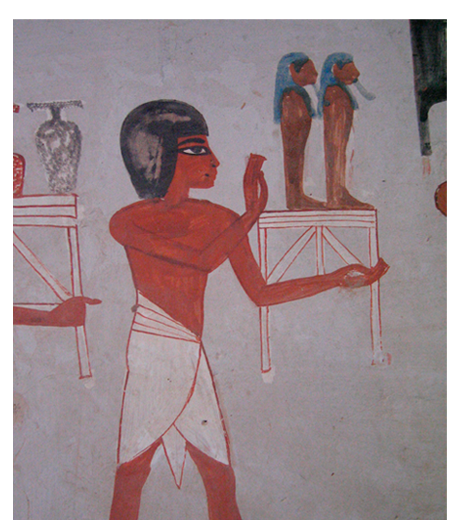
Gallery
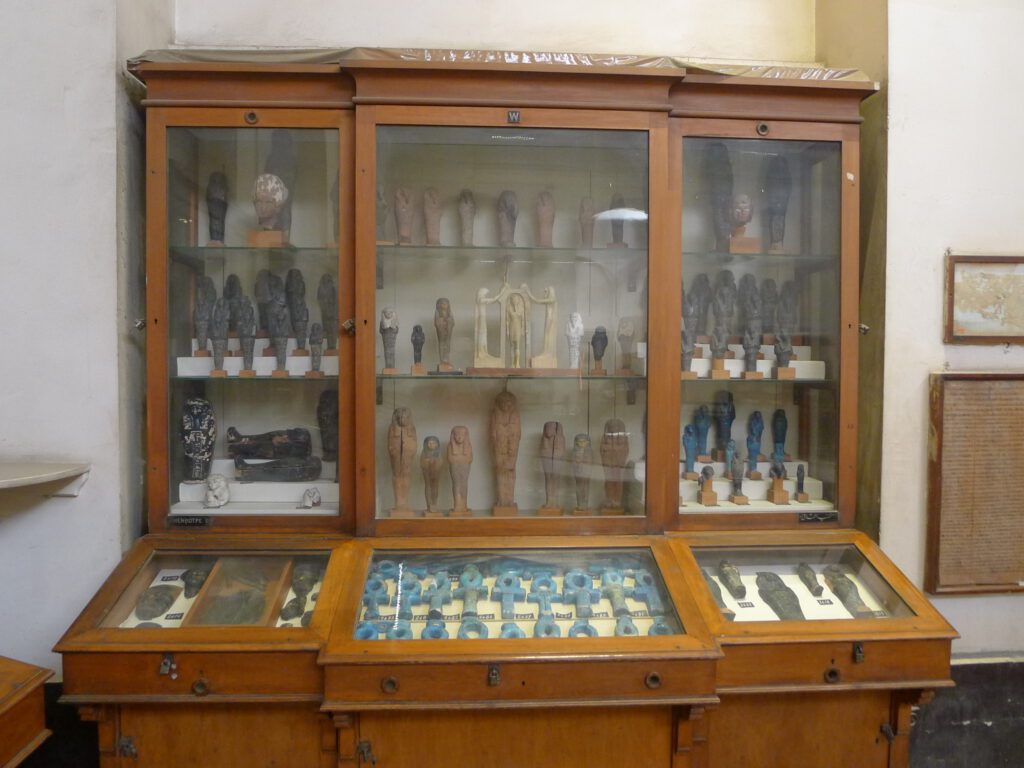
The gallery contains information sheets for each piece. The content has been divided into two main sections: private collections and pieces from museums.
There is a third section called Miscellany, which includes objects related to shabtirology, as well as some articles by the author whose common denominator is shabtis.
The images displayed on the homepage are the latest additions to the website. To see them all, we recommend visiting the gallery.
Once inside, by clicking on the image, we can get a better view of the piece, even allowing us to enlarge it.


